Crucial Principles when Creating an High-Performance Commercial Sound Distribution Setup
Wiki Article
Designing an effective commercial audio distribution system is crucial for any company that leans on sound to improve the customer experience. This system enables companies to provide music, announcements, and other audio content to different areas within a location. Key components in developing a effective audio distribution system include an awareness of sound quality, suitable equipment selection, strategic layout planning, and consistent maintenance practices. These aspects work together to guarantee that the audio system supports the distinct needs of the space and the audience.
Sound quality is one of the most vital foundations of an audio distribution system. Premium sound boosts the listening experience for clients and can develop a positive atmosphere. Variables such as speaker models, audio boosters, and sound dynamics all influence in producing balanced and even sound. Organizations should focus on installing professional-grade speakers that are suitable for their location. For example, landscaped areas might depend on all-weather speakers, while rooms may be enhanced by distributed audio systems. Verifying that all elements are technically synchronized and harmoniously tuned is necessary for reliable performance.
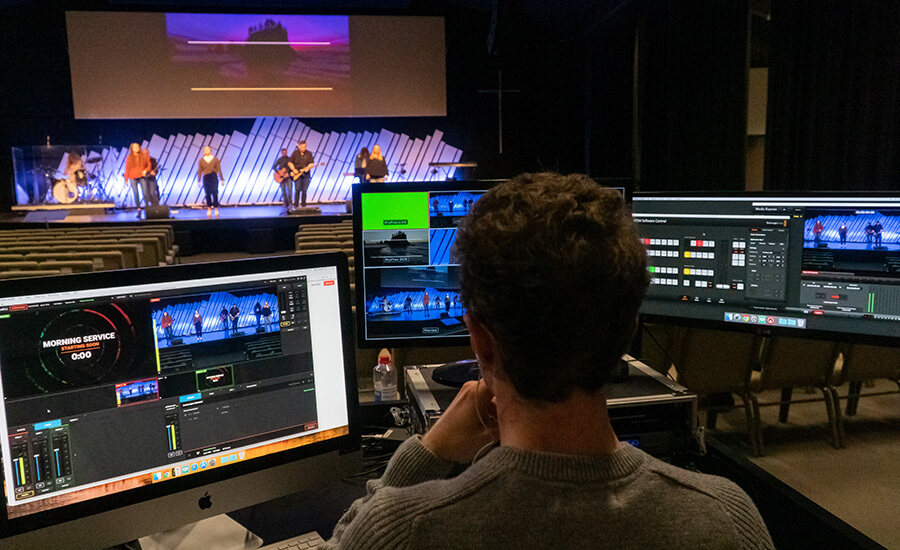
The picking of audio components takes a important part in the capability of the broadcast. This includes deciding on the right audio mixers, sound enhancers, and audio players. Enterprises should evaluate their particular audio needs before completing purchases. For instance, a mall outlet might need different tools than a dining venue or business center. Additionally, integrating smart technology can boost performance. Continue Digital platforms that enable digital monitoring or syncing with smartphones can ensure adaptability in controlling audio programming and sound intensity throughout separate areas.
Mapping out the design of the audio distribution system is another vital part. A strategically planned configuration maintains that sound is evenly spread across all locations without any dead spots or echo in certain areas. This involves accurate arrangement of speakers and evaluation of how sound flows in each location. Factors such as scale, form, and materials can affect social media integrated marketing audio clarity. Implementing an sound assessment can enable determine the most effective spots for speakers to attain optimal sound distribution throughout the venue.
In conclusion, consistent inspection is necessary to keep an audio delivery system functioning seamlessly. Proper servicing includes regular inspections on devices operation, repairing any faults promptly, and updating firmware when needed. Instructing personnel on how to handle the system safely can also eliminate common problems and extend the longevity of the system. By emphasizing preventive care, organizations can maintain high-quality audio output and minimize interruptions that could harm the client engagement.
In conclusion, developing an impactful professional audio broadcast system entails thoughtful consideration of sound performance, system setup, installation strategy, and preventive care. When these aspects are implemented effectively, organizations can improve their venue with superior audio experiences for their customers. Implementing a carefully built audio system not only enhances sound management but also contributes to a rewarding setting that can elevate guest engagement.